


Water Damage Cleanup in Naperville, Illinois
A burst pipe, appliance leak, failed sump pump, roof leak, or storm can send water into floors, walls, ceilings, and finished basements. Our team removes standing water, traces moisture beyond what you can see, and helps limit further damage to your property.
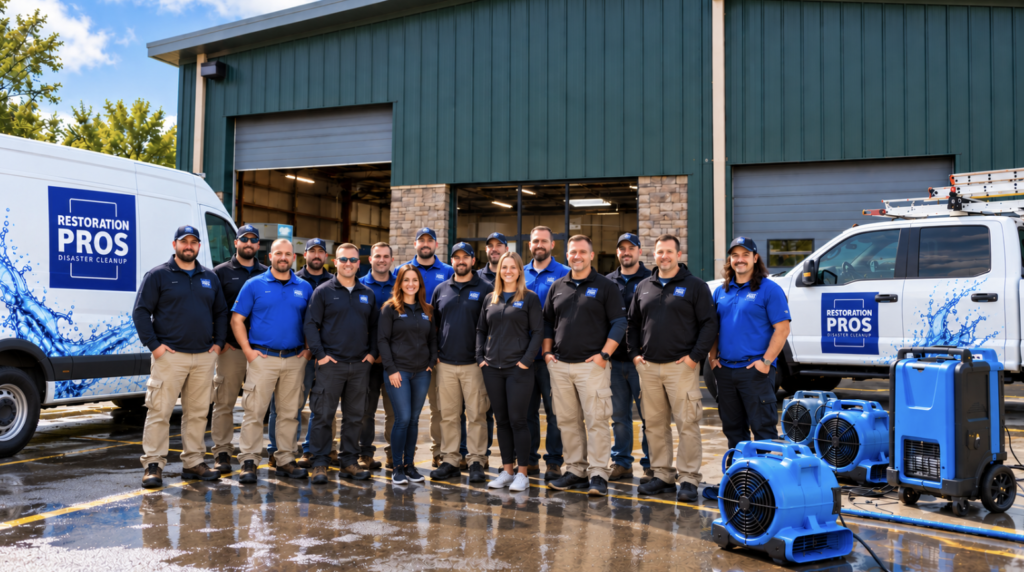
We help homeowners, landlords, property managers, and commercial property owners in Naperville. Our technicians work in homes, rental properties, condominiums, offices, retail spaces, warehouses, and other occupied buildings. We plan the work around tenants, shared walls, stored contents, and areas that still need to stay open.
First, we address the source if water is still entering the property. We then remove standing water with extraction equipment and protect contents and unaffected areas. Water mitigation focuses on limiting additional damage, while water removal and extraction address the water already inside the building.
Need Restoration Help in Naperville? Call (630) 230-8300
We start with an assessment instead of guessing from visible damage. Our team identifies the source, documents affected areas, explains the next steps, and uses controlled drying to support sound repair decisions. Moisture mapping helps us check behind baseboards, under flooring, inside cabinets, and above ceilings. Our IICRC certified techs provide 24HR response and keep you informed as the work moves forward.
How We Handle Water Damage
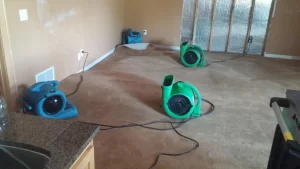
Air movers and dehumidifiers support controlled structural drying. Our technicians use moisture meters to track floors, subfloors, drywall, insulation, cabinets, framing, carpet, and contents. Thermal imaging helps locate temperature changes that point to hidden moisture. We monitor the readings and adjust equipment as the property dries.
After affected areas dry, we clean them and review the repair work ahead. Some materials can be cleaned and saved, while others need removal because they no longer support a sound finish. We document the work and help organize the next steps for drywall, trim, paint, flooring, or cabinet repairs.
Water Damage Cleanup for Commercial Properties
A leak in an office, retail space, restaurant, warehouse, or multi-tenant building can affect equipment, inventory, loading areas, and several suites at once. We discuss access, equipment placement, occupant safety, documentation, and scheduling with the property owner or manager. The goal is to keep unaffected areas usable while damaged spaces are cleaned and dried.
Commercial Water Damage Cleanup
Commercial water damage can interrupt access, damage building materials, and affect normal operations. We assess the source and moisture spread, then organize extraction, drying, and cleanup around the areas that need attention.
Our team documents affected areas and moisture readings as the work moves forward. When unaffected areas can remain in use safely, the restoration plan can be organized to reduce unnecessary disruption for the property owner, manager, or occupants.
For immediate help with water damage in Naperville, call (630) 230-8300 to discuss what happened and the next steps for your property.
Water Damage Cleanup Pricing
Water damage cleanup pricing depends on the source, affected areas, materials, and drying work required. We assess the property first and explain the recommended scope before the project moves forward.
- Small water loss: $1,000–$3,000
- Moderate water loss: $3,500–$7,500
- Large water loss: $7,500–$15,000+
These prices are general reference points and are not a quote or estimate for a specific property. Actual restoration costs depend on the source and category of water, affected square footage, materials involved, length of exposure, equipment needs, demolition, cleaning, drying time, and repairs. A complete price estimate requires an onsite inspection because the final scope depends on the actual conditions at the property.
Frequently Asked Questions
What should I do first after finding water damage?
Stop the source if it is safe to do so and contact our team for an assessment. Avoid walking through contaminated water or using electrical equipment in a wet area. We identify the source, remove standing water, and check for moisture that has moved beyond the visible damage.
What does water damage cleanup include?
Water damage cleanup includes source assessment, water removal, moisture mapping, controlled drying, cleaning, and repair planning. The work depends on the affected materials and how far the water traveled through the property.
How do you find hidden moisture?
We use moisture meters to check building materials and may use thermal imaging to locate temperature changes linked to hidden moisture. Readings help us check areas such as subfloors, drywall, cabinets, framing, and spaces behind baseboards.
What equipment is used for structural drying?
Our technicians use extraction equipment, air movers, and dehumidifiers for water removal and structural drying. We monitor moisture readings and adjust the equipment as the property dries.
Can wet flooring or drywall be saved?
Some materials can be cleaned and dried, while others need removal because they no longer support a sound finish. We inspect the material, document its condition, and explain the repair decision before work moves forward.
Do you help with commercial water losses?
Yes. We work with commercial property owners and managers on access, equipment placement, occupant safety, documentation, and scheduling. These plans matter when a loss affects several tenant spaces, inventory, equipment, or areas that still need to operate.
What causes water damage in Naperville properties?
Common causes include burst pipes, appliance leaks, sump pump failures, roof leaks, plumbing failures, heavy rain, snowmelt, and sewer backups. Older plumbing, finished basements, drainage paths, and shared building systems can change how far the water spreads.
What happens after the water is removed?
We continue drying and monitoring until the affected areas meet the project requirements for the next stage. We then clean the affected spaces, document the work, and discuss repair planning for items such as drywall, flooring, trim, paint, cabinets, and contents.